



Concept store — payments are simulated and nothing ships. This is a preview, not a real store.
Teak & Ink
Cart Account Help
Printed by hand, robe by robe

Jaipur, India

Printed by hand, robe by robe

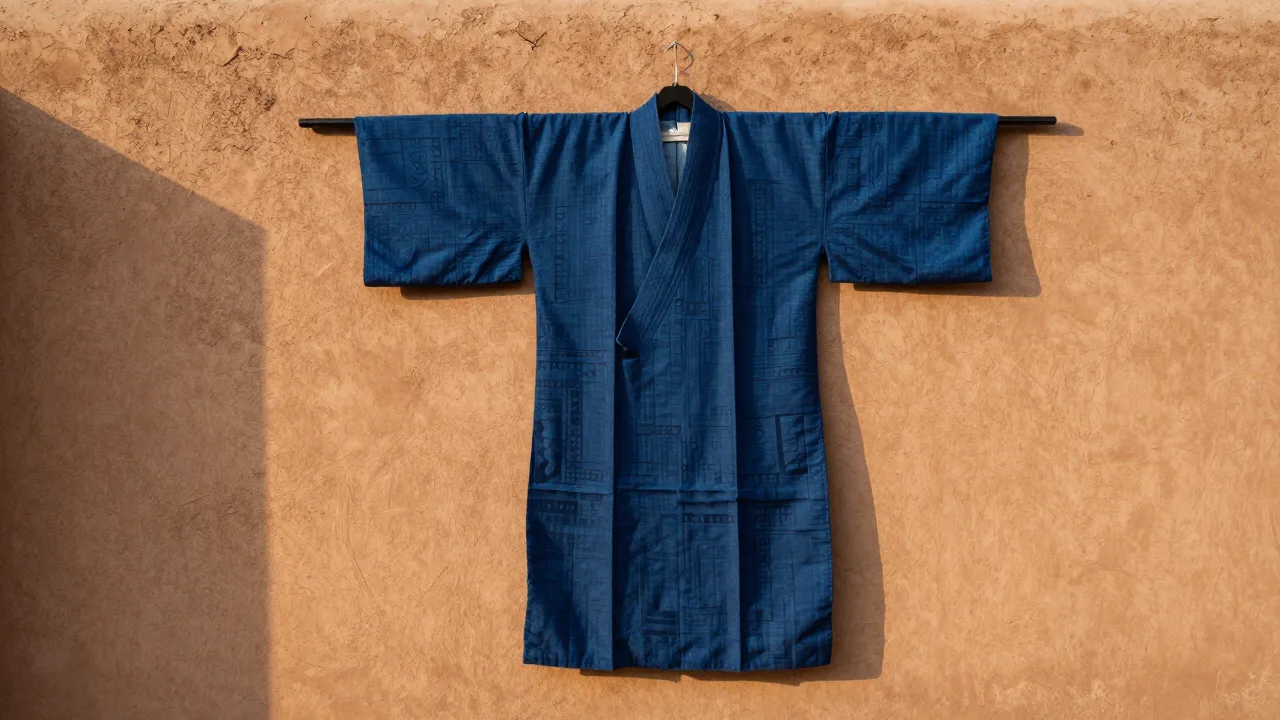
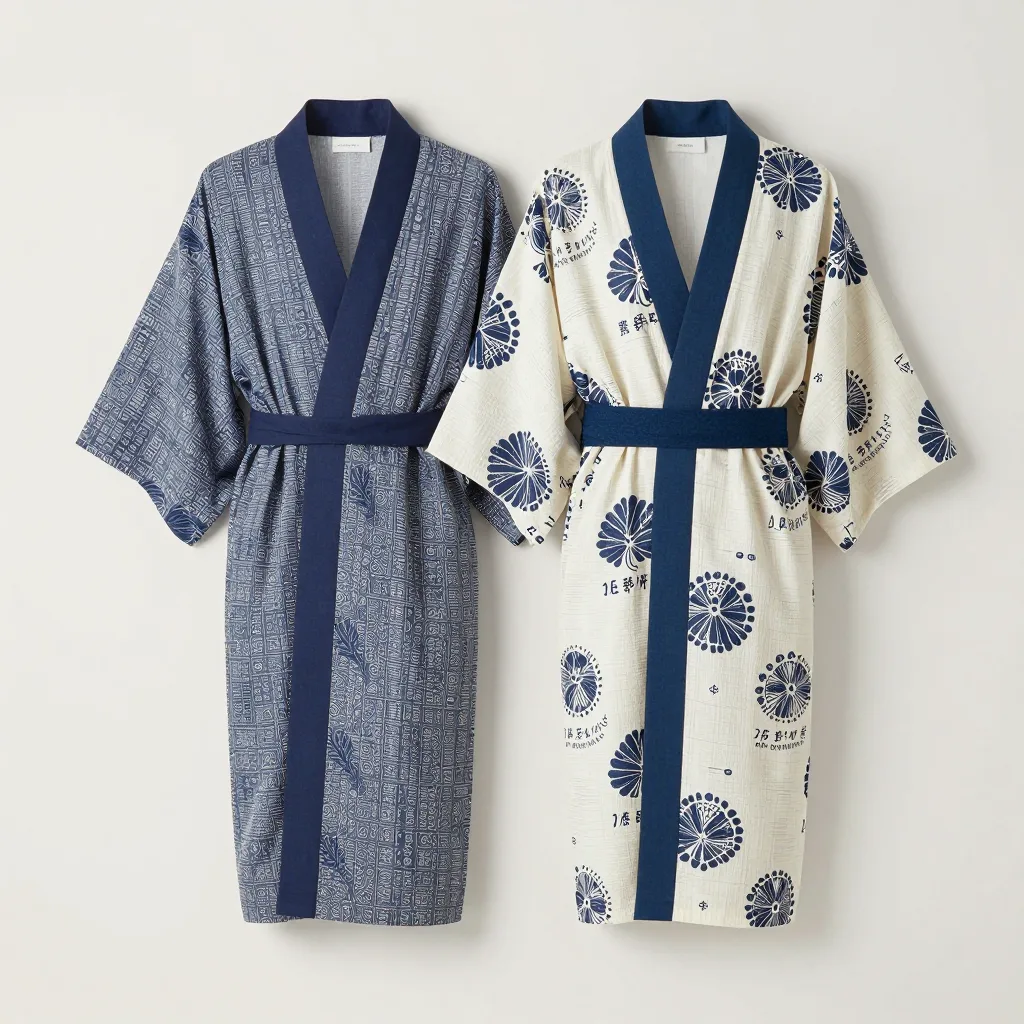
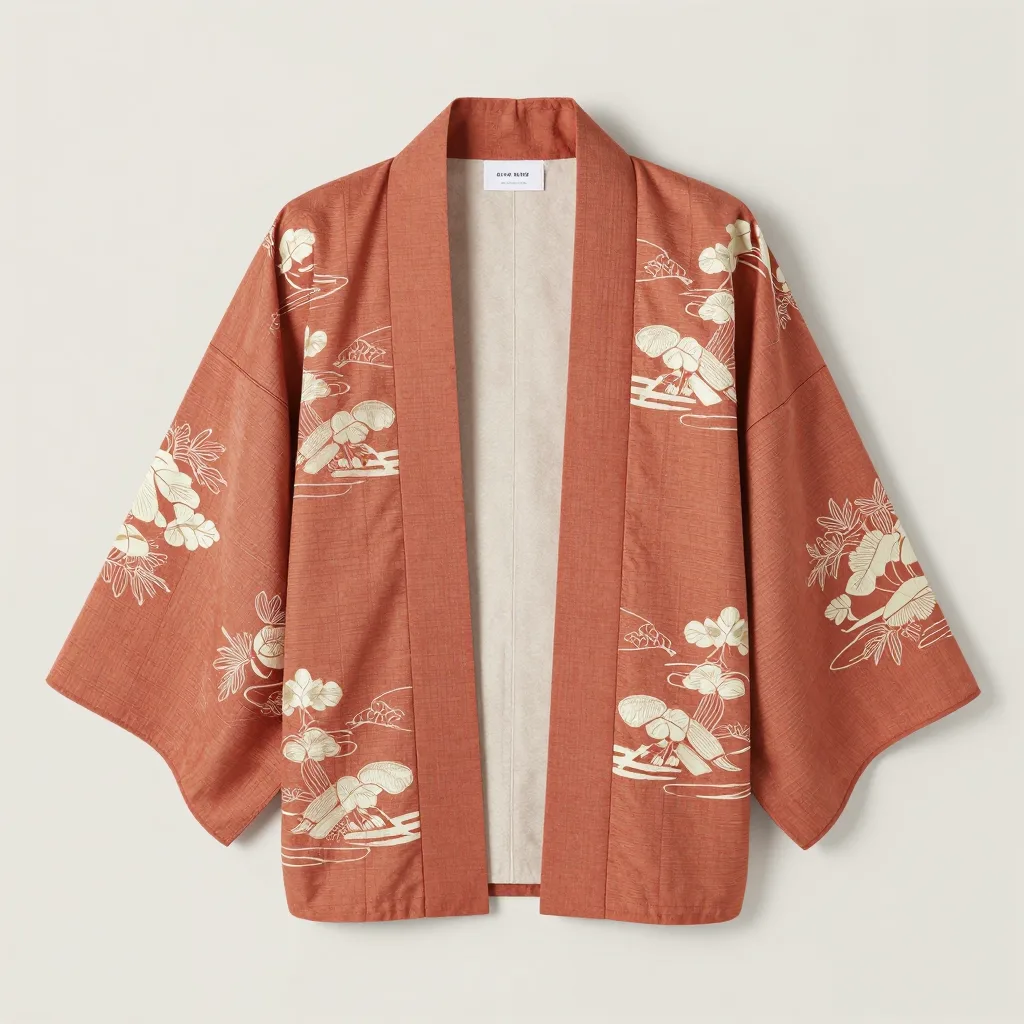
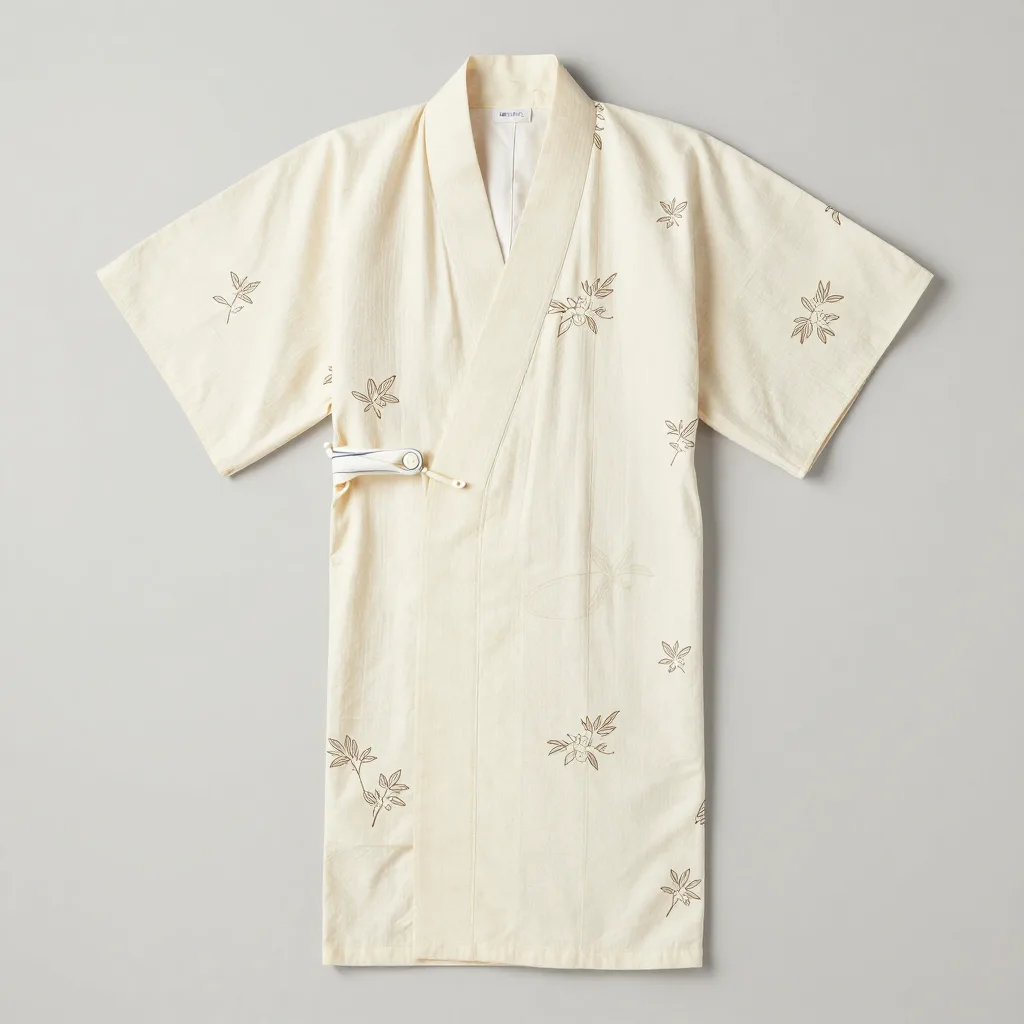
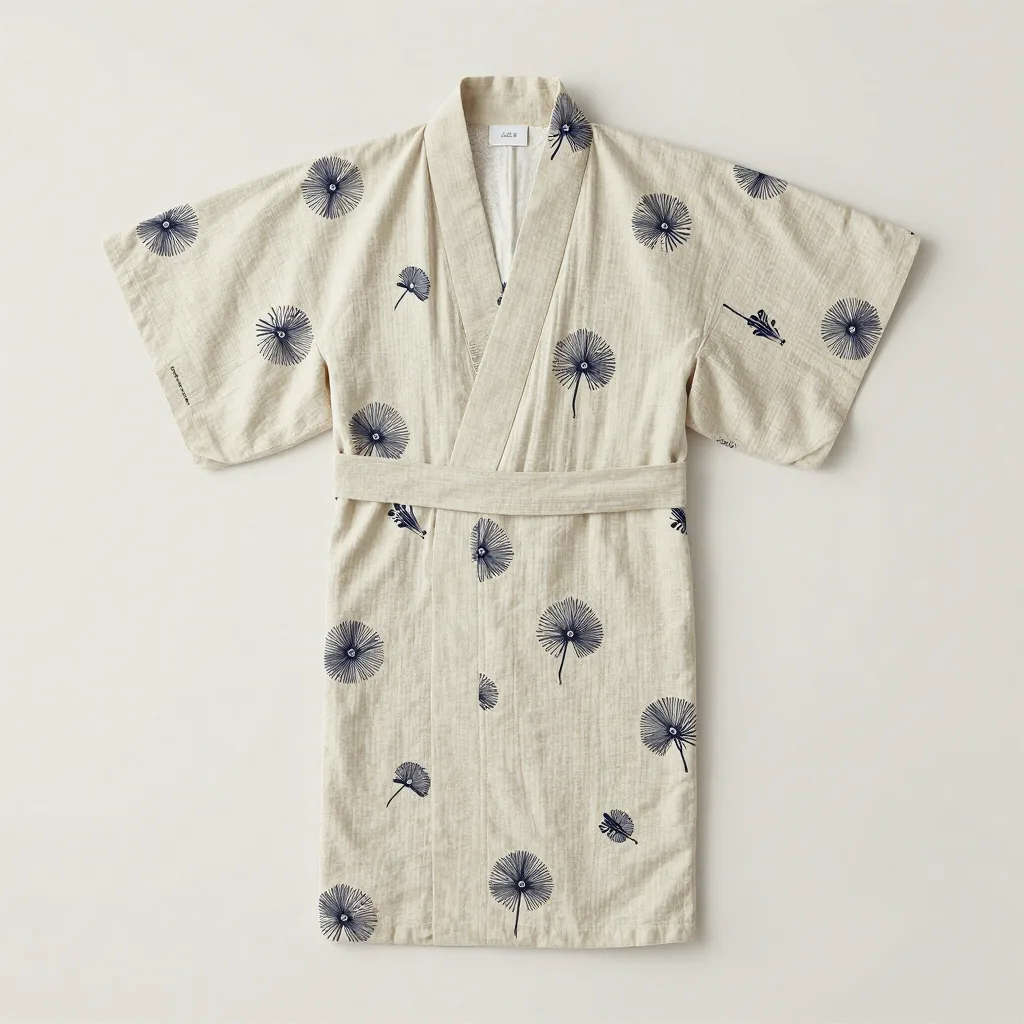
Cotton kimono robes, block-printed with carved teak blocks in the centuries-old craft of Jaipur.

Shop the collection Our story

The collection

See everything →

Our story

A craft that has never stopped

In the walled lanes of Jaipur, printers still work as they have for generations: a length of cotton is laid on a padded table, a teak block is dipped in dye and pressed by hand, row after row, until the whole cloth is covered. Each robe takes hours. The blocks are carved by hand, and the print lands slightly differently every time — that is the point.

Where it comes from

Jaipur, India

Cotton robes printed by hand with carved teak blocks — the centuries-old craft of Rajasthan.

What
Hand block-printed kimono robes
Made for
Sustainable slow fashion
Region
Asia

Good to know

What does 'slow fashion' mean here?

Each robe is printed to order in small batches by a Jaipur workshop — no mass production, no off-season stock. You get the piece, the maker gets a fair price.

Is it true to size?

Kimono robes are cut wide and tie with a sash, so one size fits most frames comfortably. If you are very tall, the midi and short versions sit at different lengths.

How should I care for it?

Hand or gentle machine-wash in cold water with a mild detergent, and dry out of direct sun. The natural dyes deepen and soften with washing rather than fading fast.

Are the dyes natural?

Mostly — indigo, madder for terracotta, and plant-based greys and greens. A little synthetic assist is used only where a natural dye alone won't hold on cotton.

What are the blocks made of?

Carved teak, by a block-maker in Jaipur. A complex pattern can take weeks to carve, and the block is what gives the print its crisp, repeating rhythm.

Is every robe unique?

Yes — the cloth is printed by hand, block by block, so the pattern lands slightly differently on each one. That slight unevenness is the signature of a real hand print.

Join the list

Notes from Teak & Ink — new pieces and the people who make them. No noise.